
Contact us
Speak to a Solution Specialist today.
Information provided within this form will be handled in accordance with our privacy statement.
Melbourne Grammar School’s ‘big bang approach’ to network opens door for innovation.
We always seek ‘best of breed’ technology platforms, and in this case, the Cisco technology stood out due to our previous positive experiences. For our team, it was more about picking an integration partner that would fit our needs and circumstances, and that’s where Data#3 came in.
Seth Farrow - IT Network and Infrastructure Manager, Melbourne Grammar School.
Melbourne Grammar School (MGS) wanted to reduce risk of downtime and introduce a network that supported advances in educational technology.
MGS consulted with Cisco, then chose to partner with Data#3 because of their depth of expertise as one of Cisco’s highly certified partners in Australia.
Established in 1858 and ranked among Australia’s leading independent schools, Melbourne Grammar School (MGS) is known for blending a proud tradition of excellence with innovative education practices.
The MGS network was based on ageing Cisco equipment, and IT staff found themselves on an almost constant round of significant update projects. Instead, they wanted to completely overhaul the network, leaving more time to introduce new innovations to the school.
The network environment at MGS had developed over time, with additions and changes eventually leading to a near-constant round of projects. This time, as the ageing network neared end of life, IT Network and Infrastructure Manager, Seth Farrow, saw the opportunity to escape the cycle and carve out more time for progress.
“We have only updated smaller parts of the network over time, which had us engaged in almost a rolling project where we were continually upgrading various parts of the wired and wireless network. Every year we were upgrading some small parts, while other parts were getting quite old.”
“After consultation with Cisco and Data#3, we decided on a ‘big bang’ approach, where we would replace every part of the network in one go,” said Farrow.
The endless cycle of upgrades wasn’t the only reason to take this approach. Farrow said that the piecemeal updates had also led to a complex management environment that placed a heavy burden on staff.
“The reason to break the cycle of continual upgrades was the chance to have consolidated management. Where before we would manage switches on a different system to wireless, which was different again from other infrastructure, and we were continually jumping between management screens. We knew we could draw a line in the sand, and start with a single pane of glass to manage everything, including wireless and wired.”
Ageing equipment is also associated with increased security risk, especially when it reaches end of support. With responsibility for sensitive data including human resources information and student records, Farrow was mindful that the increased visibility and robust security features of the modern Cisco technologies available would strengthen MGS defences.
“We look after security as a team, both physical security and network security, so we’re battling threats and vulnerabilities, as well as looking after the communications network and phone systems, server platforms, and virtual infrastructure. These all require different skillsets, so wherever we can simplify our environment, it benefits us as we protect our users.”
For MGS, the emphasis is on providing a good user experience, both for students and for the staff who guide them through from prep to grade 12. This added an extra challenge for completing any major project, as work would have to be completed within a strictly defined timeline during school holidays, to avoid any disruption to classes.
“We found that a project this size was off-putting to start with, because we were essentially turning over every piece of hardware in our environment,” said Farrow.
From discussions with Cisco and Data#3, MGS opted for a network based on Cisco core switching, Cisco Meraki distribution and access switching, and Cisco Meraki wireless access points, with project management led by Data#3.
“We always seek ‘best of breed’ technology platforms, and in this case, the Cisco technology stood out due to our previous positive experiences. For our team, it was more about picking an integration partner that would fit our needs and circumstances, and that’s where Data#3 came in,” recalled Farrow.
“They are a high-level Cisco partner able to offer an enterprise agreement, and they have a lot of experience in education, they had enough skills and capacity to get the job done. We found it attractive that they had the ability to provide a personalised service, we weren’t just a name on a list.”
Farrow’s team joined a series of discovery sessions with Data#3 and Cisco to “deep dive” into their school environment and understand exactly what outcome they needed to achieve. From there, Data#3 put together a detailed plan of action, scheduling equipment delivery and engineering resources to fit MGS’s school holiday timetable.
“The majority of the implementation work was done in the school holidays, but we were able to do planning during the term time. We anticipated there would be some challenges fitting such a lot of work in a small amount of time, so we made the decision early to chop the project into phases, something which in any case would be forced on us due to COVID-related shipping constraints.”
“That was a worldwide issue outside Data#3’s control, so implementing in phases let us align with holiday breaks, with minimal downtime to replace that amount of gear across both our campuses without disrupting students,” explained Farrow.
Embarking on a major project during a time of global disruption was no small thing, and Farrow felt validated in his choice to prioritise experience and process when choosing a partner.
“I have nothing but praise for our leading engineer and his skillset across multiple technologies, including core switching, Cisco Meraki access points, and authorisation platforms. He was more than knowledgeable, and I was very happy with his ability to help us with delivery of the solution.”
The heritage-listed buildings at MGS presented some unusual challenges when implementing the Wi-Fi network.
“Our school prides itself on its identity, centered around the historic bluestone buildings dating back to the 1850s. While this heritage is a significant part of our character, it also introduces unique challenges around network design. With three-foot thick stone walls, we require more access points than would be needed in modern buildings with standard walls and floors,” said Farrow.
Introducing a new network meant decommissioning a lot of older infrastructure, and Farrow said that it was an important consideration, both for environmental and security reasons.
“Data#3 is assisting with the recycling of that gear. Some is going to a buy-back scheme where the hardware is taken away and wiped clean, then provided to other organisations that can use it. The gear that we’re disposing of that has no further use will become e-waste, and they’re helping us to wipe all that gear too, because it could be a significant risk to school security if it were not handled correctly. The options that Data#3 gave is for secure disposal of hardware gives us confidence that it won’t come back to bite us and will be handled in the most environmentally responsible way.”
Given the MGS emphasis on user experience, the network replacement has hit the target. Classrooms increasingly harness technology to enhance the learning experience, and connectivity is the foundation of such progress.
“The modern classroom is now highly digital. Everything from entrance testing to the majority of the senior curriculum is submitted online, and most management systems, as well as the services we provide to parents, are online. With an ageing network that delivered slower speeds and less adequate coverage, it put a lot of pressure on support staff.”
“Where students experienced connectivity issues, since the infrastructure replacement project the students are now getting more dependable connections. It has much less impact on the IT team mentally as they manage such a busy week, and of course, it means less stress on the students and teachers.”
For staff and students moving around the school, there is a noticeable difference, with access to information now smoother and simpler.
“People were able to travel around and swap between access points with the previous technology, but it was hard to track from a support perspective, so if we were troubleshooting for a client, it was challenging to work through the various separately managed technologies in place. Now, we have one platform, so we can track a laptop or phone and what applications are being used, and as someone moves between access points, the connectivity continues, without dropping out, the firewall rules stay consistent, and authentication is seamless.”
In terms of procurement, Farrow said there were clear advantages to the ‘big bang’ approach, and encouraged anyone keen to escape the constant upgrade battle to factor this in.
“With the ‘big bang’ approach, we had significantly higher buying power because we were buying so much hardware in one go. This did prove to be a financial benefit and we saved about 30% of what we would pay if not buying it all together.”
“It helped that we were given the option of Cisco finance to allow payments to be split over the lifetime of the gear, even though our choice was to pay up-front, having those options helped us to get it over the line with our finance department.”
Where students experienced connectivity issues, since the infrastructure replacement project the students are now getting more dependable connections. It has much less impact on the IT team mentally as they manage such a busy week, and of course, it means less stress on the students and teachers.
Seth Farrow - IT Network and Infrastructure Manager, Melbourne Grammar School.
When embarking on such a bold strategy, Farrow’s advice was to be clear on the desired outcome, and to work with an experienced partner that is a good cultural match.
“From the start, the project team was able to understand our requirements, and they gave us the confidence to take on a project of this size. We’re neither the smallest nor the biggest customer they work with but even though they do work with larger organisations, they made us feel very important and gave us everything we needed,” stated Farrow.
“Data#3’s constant communication and ability to adapt to ongoing changes were their strength, I understand the resourcing issues that changing shipping times can present but they were really good at adapting, and at no point did I feel this would be too hard to deliver.”
Having a strong understanding of the end user perspective was also something that Farrow said he valued, and his team’s willingness to step beyond the IT environment helped guide them as they worked to improve staff and student experience.
“Our IT team is divided into two departments: the service desk team that supports staff and students day-to-day, and our systems team. When it gets busy, it is all hands on deck, so the technical assistance team roll up our sleeves and get into the classrooms. It is a really good experience interacting with the students and teachers, but we also get to see any stress points, which helps us know what we can improve.”
The improvements gained from the rejuvenated network environment have been especially strongly felt. Connectivity difficulties can impact teaching time, so solving them allows the exceptional MGS teaching staff to focus on what they do best: preparing their young students to excel as they progress through school and beyond.
“We have had a fair bit of positive feedback about the quality of the network, and we’ve found that support tickets created by end users about connectivity have significantly decreased since implementation,” explained Farrow.
It isn’t only the teaching staff that appreciates the reduced time spent on connectivity issues; for the IT team, having a reliable, network with simpler management allows breathing space to keep raising the standards of the service they provide.
“Our service desk team now has full visibility into the network stack and can use the Cisco Meraki dashboard to gain excellent insights into network connectivity. This improvement not only enhances the skillset of our staff but also decreases incident escalations, as previously only a small subset of the department had the skillset and permissions to provide network troubleshooting.”
“We’re developing around AI, for example, and investigating the way that can impact teaching, and we’re spending some time investigating where we can deploy AI technologies to raise the bar in the teaching and learning environment. It gives us headroom to invest in innovation rather than just keep the ship afloat,” concluded Farrow.
Our service desk team now has full visibility into the network stack and can use the Cisco Meraki dashboard to gain excellent insights into network connectivity.
Seth Farrow - IT Network and Infrastructure Manager, Melbourne Grammar School.


Raising the bar for its APAC headquarters with a secure, fully wireless network.

Agentic AI is poised to transform how organisations operate, but governance is struggling to keep pace....
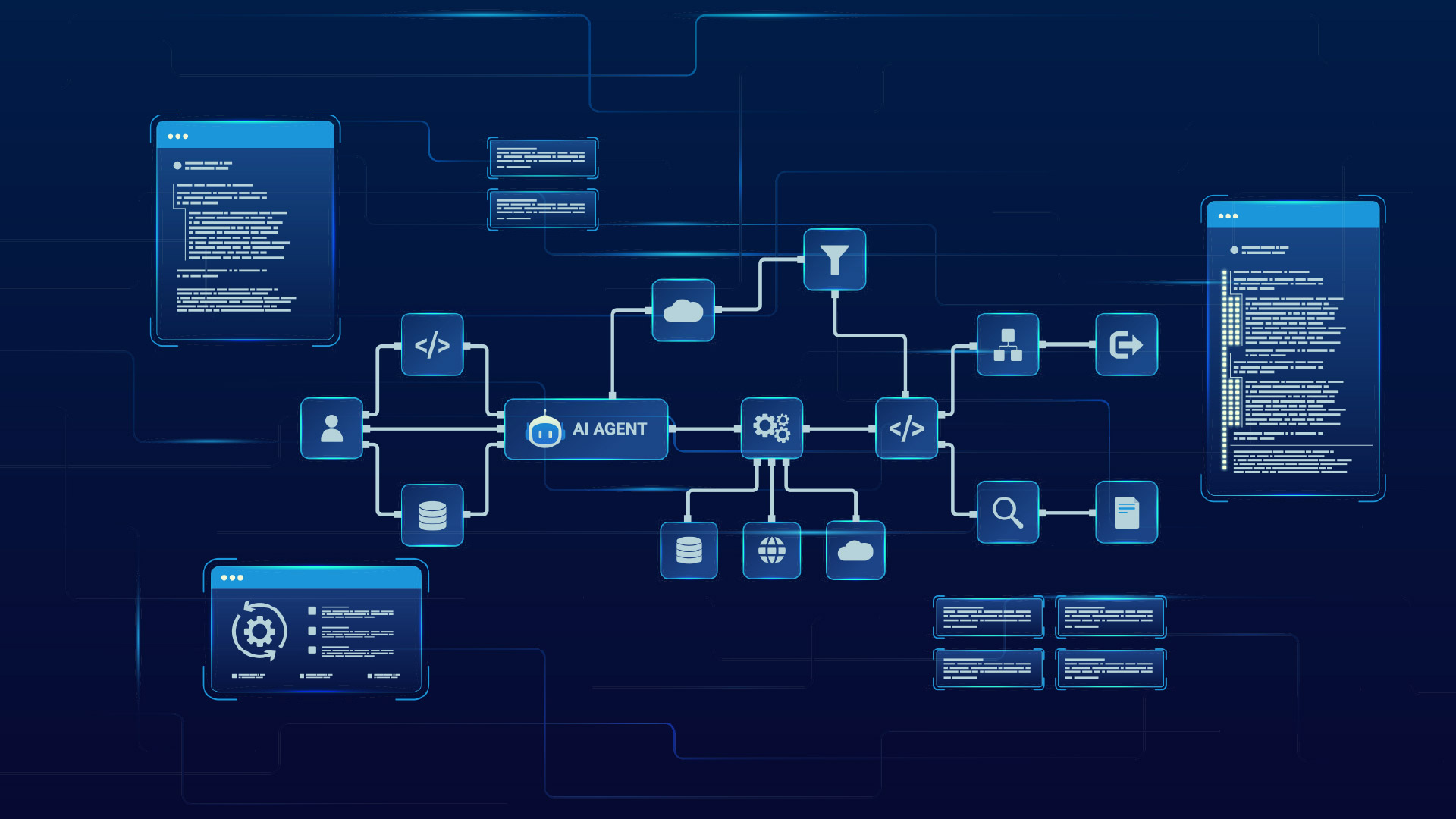
Many organisations assume that deploying an AI platform in the right region also determines where AI...

A successful AI agent demo does not prove the agent is safe. Organisations using Microsoft Foundry should...

Discover how Splunk is reshaping network observability, helping teams unify insights, accelerate...

Cloud-managed wireless has transformed how organisations deploy and operate networks. Platforms like...
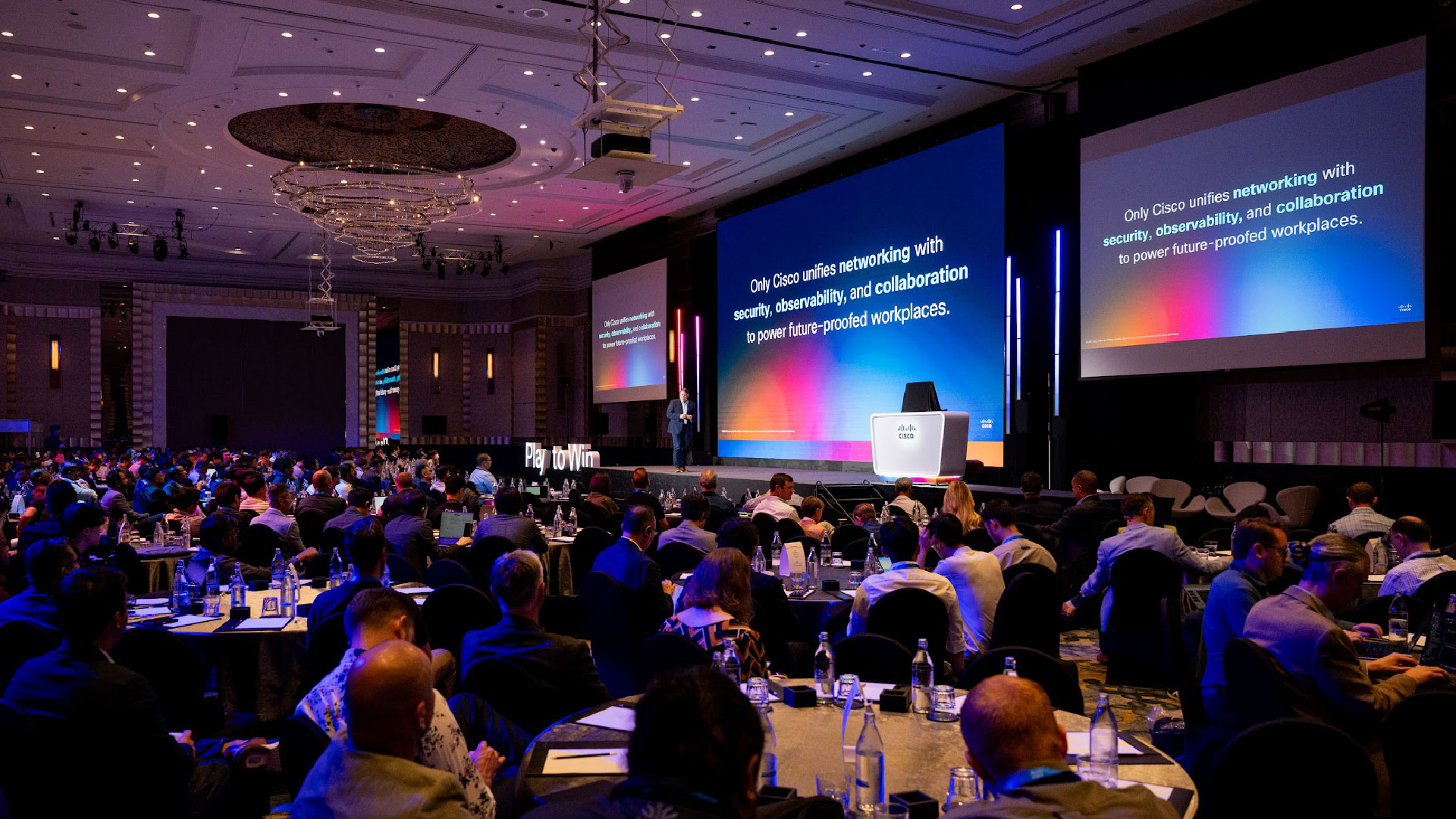
In March 2026, I attended Cisco Partner Technical Exchange (PTX) for the first time, not quite knowing...

As networks become more distributed, security must move closer to the workload. Discover how Cisco Smart...

Containerised and hybrid workloads can become black boxes. Learn how Cisco Smart Switches restore...

Examine what it takes to prepare your switching environment for AI.

In September 2025, a 32GB DDR5 memory module cost about US$95. By December, that same module was selling...

As networks become more distributed, security must move closer to the workload. Discover how Cisco Smart...

As 2025 comes to an end, it is the perfect moment to reflect on the stories, trends and conversations...

I’ve just recently returned from Microsoft Ignite in San Francisco, Microsoft’s flagship...

82 per cent of cyberattacks are now AI-enabled. 14 per cent of organisations feel prepared for them. If...

November 19, 2025; Cisco Partner Summit 2025, San Diego, CA: Leading Australian technology services and...
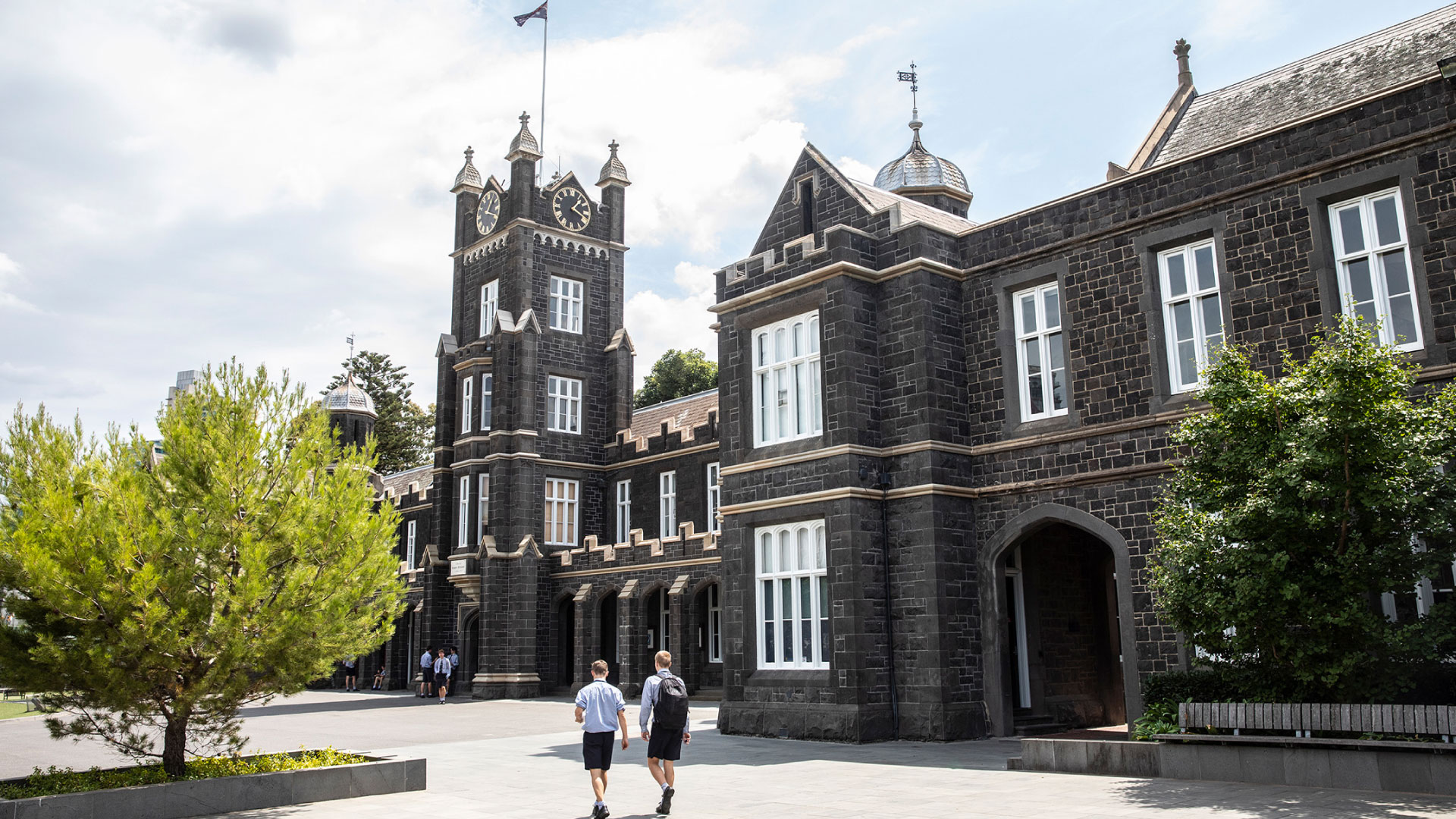
Melbourne Grammar School’s ‘big bang approach’ to network opens door for innovation.
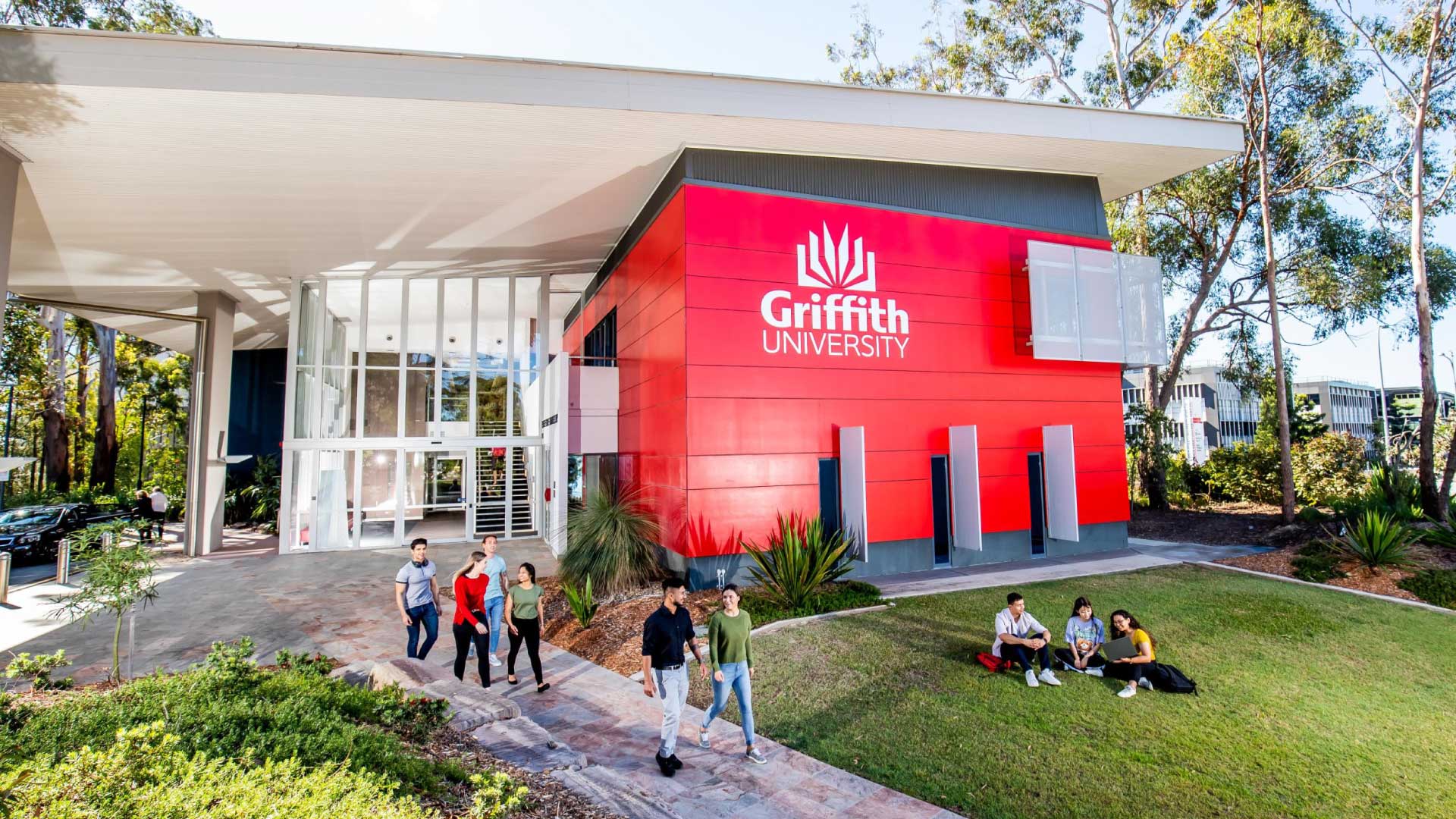
Building a smarter campus with Data#3 and Cisco.

Several major Cisco switching platforms are entering end-of-support, including models from the Nexus and...

November 13, 2025; Brisbane, Australia: Leading Australian technology services and solutions provider,...

Speak to a Solution Specialist today.
Information provided within this form will be handled in accordance with our privacy statement.