
Contact us
Speak to a Solution Specialist today.
Information provided within this form will be handled in accordance with our privacy statement.
Transitioning from legacy to modern cloud foundation for innovation.
The Data#3 team were all really committed. We shared the same goals and worked together to achieve the outcome.
Scott Williams - Chief Financial Officer, Master Builders Association of South Australia
The Master Builders Association of South Australia (MBASA) aimed to move from a complex legacy environment to a modern cloud platform to streamline operations and improve efficiency.
Recognising the age of its existing infrastructure, MBASA sought a partner with extensive experience and a proven track record with Microsoft solutions. Data#3 not only had this expertise but also understood MBASA’s environment from previous collaborations.
Since 1884, Master Builders Association of South Australia (MBASA) has represented South Australia’s construction industry, binding members by a code of ethics and standards that ensure customers can be confident of professional, high-quality building and renovation services.
With a strong commitment to member services, MBASA’s internal IT systems had taken a back seat. As the infrastructure aged beyond its supportable life, risk and complexity increased, presenting a valuable opportunity for transformation.
When Master Builders Association of South Australia (MBASA) Chief Financial Officer, Scott Williams, joined the highly regarded industry association, the environment he inherited was dated, and he saw an opportunity to modernise and streamline processes.
“My focus areas included finance, IT, and our building, which were all due for an update. As a not-for-profit association, we recognised that our team needed to develop new skills to modernise our IT environment. Much of our technology was outdated, and our Customer Relationship Management (CRM) platform was a clear example. It was hosted on-site rather than in the cloud, which presented an opportunity to improve the way we operated.”
While Williams predecessor had some IT knowledge, managing technology was a juggling act. In a busy environment, IT updates often could not be deployed as quickly as needed. As technology evolved, new opportunities for improvement arose, and by the time Williams took over, the situation had become critical.
“Our old Microsoft CRM was locally hosted on our server. About one percent of organisations are still locally hosted; we were among the last to move to the cloud. We did not receive updates automatically. We paid the price for being too slow; this should have been done four years earlier, but nobody was driving the system. We learned a few hard lessons,” explained Williams.
Those lessons included the complexity of migrating from a very old legacy system, which made the transition to the cloud a far more challenging process. More importantly for Williams, it meant that any system failure could have been extremely difficult to recover from, and downtime had become a serious concern.
“Like any organisation, we have had some resistance to change, but our teams are now asking how we can do things better. Everything we do is focused on delivering more value to our members, and ensuring they receive the best possible service remains a key priority. Modernising our systems gave us the opportunity to provide more cohesive and consistent member support.”
Choosing a partner to work with was perhaps the easiest part of the process. Having already sought Data#3’s help in managing the ageing infrastructure, Williams knew he had access to a wealth of local expertise backed by the global reach of Microsoft.
“We got into a conversation with Data#3 about moving workloads across to the cloud. Data#3 had been involved historically in our CRM, and the fact that they were locally-based appealed to me. There is a benefit to meeting people face to face, and sometimes in IT that does not happen. I was keen to continue based on those discussions, and we started scoping out what we needed to do.”
With several high-priority, interdependent systems to be migrated and updated, this was no simple “lift and shift” process. Data#3’s Professional Services Business Applications team and Microsoft specialists worked with MBASA to plan an upgrade path designed to minimise disruption to the business.
“We knew that our core system had to be updated. When the project was approved, I was confident we would have it finished by December,” stated Williams.
The age and complexity of the environment required careful handling, which meant taking time to get it right. Any misstep could have risked service interruption, something that Williams, who had already experienced the challenges of lengthy downtime, was determined to avoid.
“We worked closely with the Data#3 team. We wanted to make sure we got it right without rushing to meet a tight deadline. Then they started building the system in the cloud. It was not a case of simply moving the current environment to the cloud; it was an entirely new system, and we had to transfer the data we had set up in the test system.”
Here, Data#3’s long-standing relationship with Microsoft proved invaluable. The team located a specialist with a particular talent for working with very old legacy systems, helping to resolve issues caused by years of missed updates. Williams acknowledged that tackling the situation earlier would have made things easier.
“It should have been a straightforward move to a cloud-based Microsoft CRM, but I remember thinking, how did we end up here? Fortunately, the Data#3 team were outstanding. They managed communications seamlessly, handled every challenge with confidence, and their solutions architect put in a tremendous amount of work. He really understood our platform and our people, which made all the difference,” said Williams.
After an extensive preparation process, it was finally time to transition the MBASA systems. The changeover required careful coordination and a marathon effort from the Solutions Specialist.
“The people side of it was very good, and the Data#3 team were excellent. They had to work quite a bit on weekends as we went live. The process involved pressing a button to kick it off, then being at a computer to accept the many updates, which took place over a 36-hour period. They were excellent.”
invoices migrated each month.
to deploy all required updates.
Not only was the technology ageing, but several Microsoft systems in use at MBASA were reaching end of life. As a result, the organisation faced growing risks to its highest-priority systems, making modernisation essential. Almost a third (32%) of cyber attacks exploit unpatched software, often with catastrophic consequences when systems are not consistently updated.
Risk reduction was a key priority for MBASA, but the organisation also recognised that modernisation would create new opportunities to better serve its members. The team was committed to bringing systems up to date and doing everything possible to enhance member support. To deliver the best service, it became clear that customer-facing staff needed more effective tools and systems. The early benefits of this approach have been most evident across MBASA’s finance sector and CRM platform, where improvements are already driving greater efficiency and member value.
“The new system gives us a fresh, modern look from the moment we log in. One of the biggest challenges was migrating around 2,500 invoices each month. Our old application could only batch 100 at a time, and it took about four hours to export them. Even then, around two percent didn’t transfer correctly. That has all changed. We can now complete the process quickly and reliably, and from a finance perspective, it has been a major improvement,” explained Williams.
“One of the criticisms of the previous system was that it wasn’t a proper sales system. We should have been using a proper CRM. We have been able to tap into the sales lead module to track conversations with new members, for example, so we can create a better experience.”
Alongside those early gains, the transition to a dependable, always-updated cloud environment has given MBASA a platform for future modernisation as it explores new opportunities.
The new system gives us a fresh, modern look from the moment we log in. We can now complete the process quickly and reliably, and from a finance perspective, it has been a major improvement.
Scott Williams - Chief Financial Officer, Master Builders Association of South Australia
Having taken the important first step in the modernisation journey, MBASA is now positioned to leverage the additional features and services offered by the Microsoft cloud ecosystem, with automated backup processes and regular updates high on the list. The hardworking member organisation can now consider adjacent technologies such as Microsoft Dynamics 365 Customer Insights, Power Virtual Agents, and Copilot.
First, though, Williams is set to tackle some very different legacy systems that he inherited when he stepped into the role.
Williams comparing the organisation’s outdated IT systems to its ageing building infrastructure. He noted that maintaining old technology felt much the same. “Legacy systems are like old machinery, they keep working until they don’t, and then every fix takes longer and costs more. Eventually, replacement becomes the only sustainable option,” stated Williams.
Ultimately, while updating from a complex and ageing environment was at times painful, Williams said it paid off to work with locally based experts who could stay the course of a challenging transformation project.
“Modernising our systems was about more than technology; it was about preparing our organisation for the future. With Data#3 by our side, we’ve built a foundation that is secure, efficient, and ready to evolve. We are no longer held back by legacy systems, and we can focus on delivering even greater value to our members,” concluded Williams.

March 30, 2026; Brisbane, Australia: Leading Australian technology services and solutions provider,...

March 23, 2026; Brisbane, Australia: Leading Australian technology services and solutions provider,...

February 4, 2026; Brisbane, Australia: Leading Australian technology services and solutions provider,...

Australian Catholic University shapes the future of learning with Microsoft Azure.

As 2025 comes to an end, it is the perfect moment to reflect on the stories, trends and conversations...
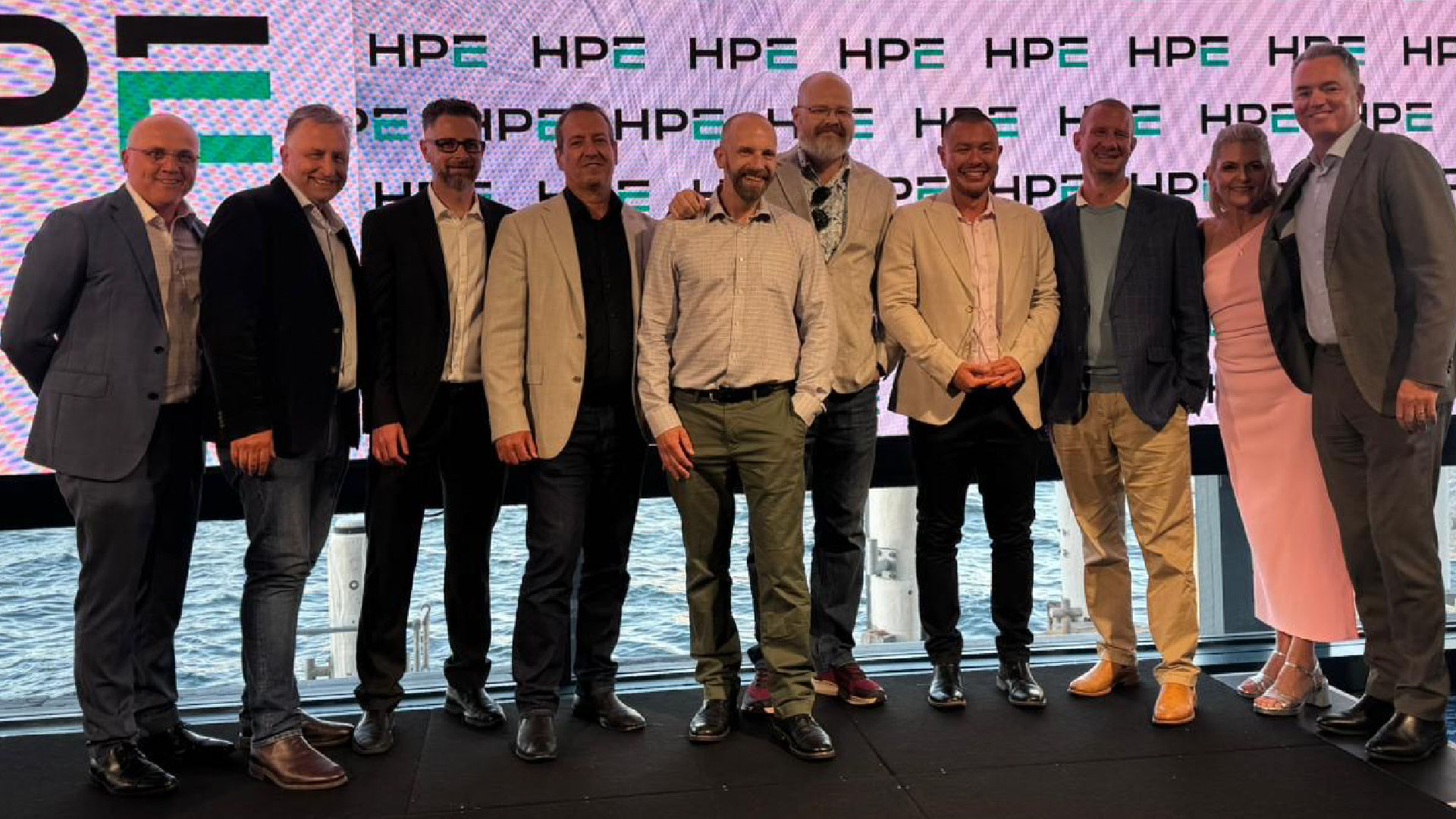
December 15, 2025; Brisbane, Australia: Leading Australian technology services and solutions provider,...
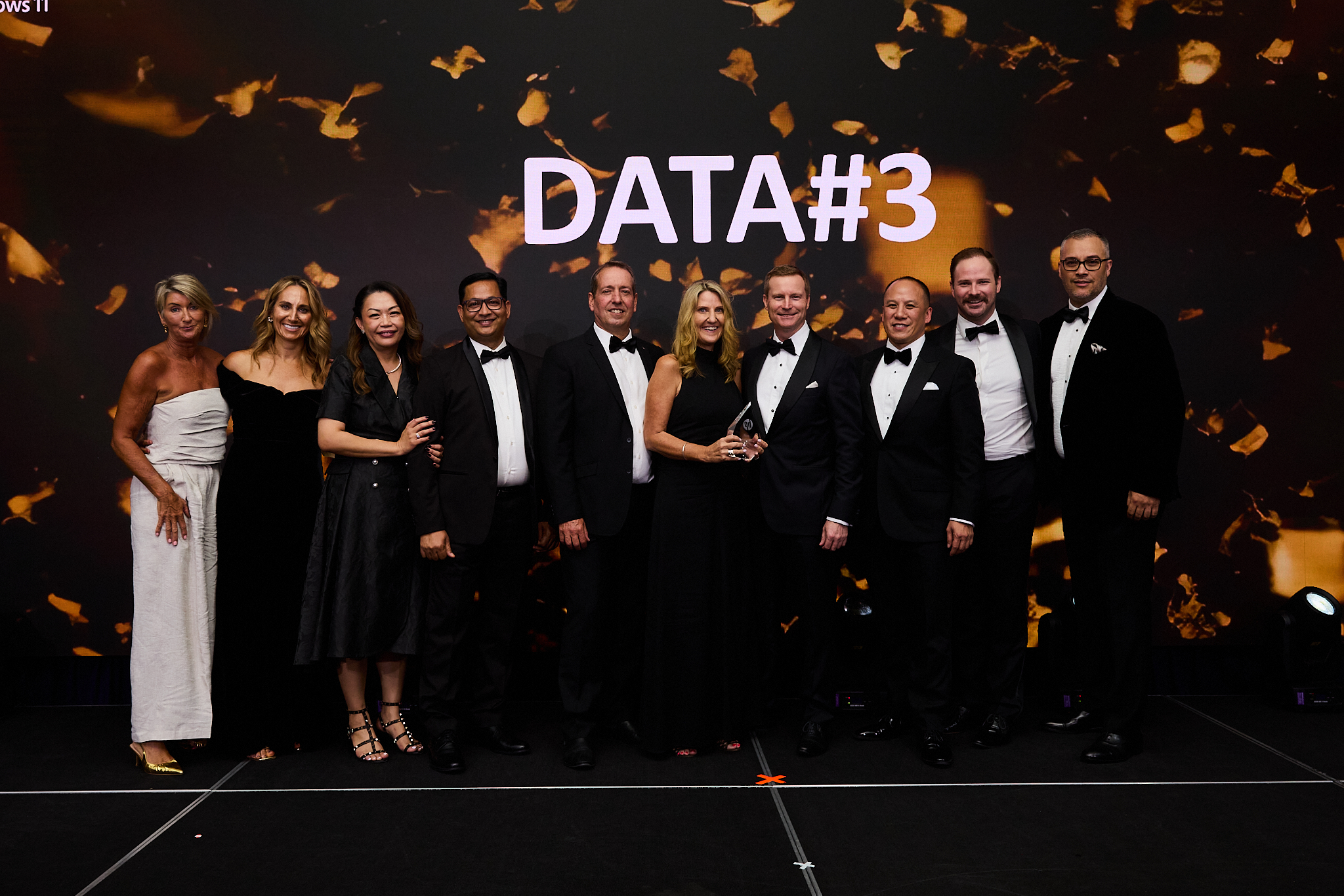
December 8, 2025; Brisbane, Australia: Leading Australian technology services and solutions provider,...

Stanmore Resources thrives with flexible, scalable managed services Download Customer Story...

Organisations today are collecting more data than ever before. Yet despite this abundance, many still...

Technology is advancing at an unprecedented pace, fundamentally transforming the way we work. Leading...

June 24, 2025; Perth, Australia: Data#3, a leading Australian technology services and solutions provider,...

Data#3 security expertise lays foundation for Microsoft 365 Copilot transformation Data#3 is a leading...

Australian Charities and Not-for-Profit Commission improves charity registration process Download...

Penrith City Council gets AI-ready with Data#3’s Copilot Readiness Assessment Download Customer Story...

The Royal Flying Doctor Service (RFDS) (Queensland Section) depended on disparate data sources and wanted...

Morgans empowers a future-ready workforce with IT managed services from Data#3 Download Customer Story...

At Data#3, our core purpose is to enable customer success through a company-wide strategic approach to...
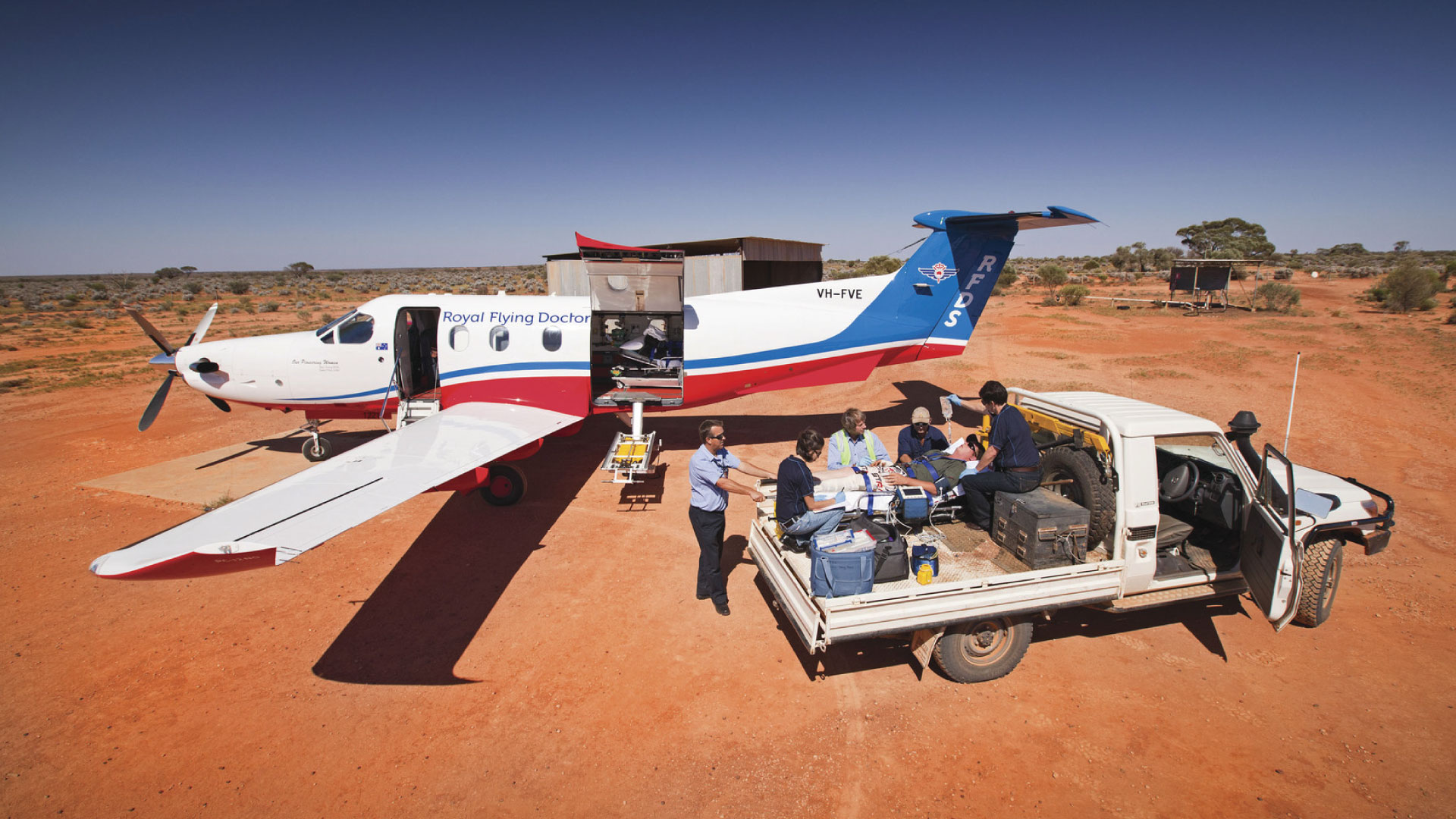
Royal Flying Doctor Service digital initiative helps lift service efficiency using Microsoft Azure...

Data#3 empowers mobile workforce with Cisco Meraki network modernisation solution Download Customer Story...

Department for Education in South Australia improves efficiency with Data#3 Managed Services Download...


Speak to a Solution Specialist today.
Information provided within this form will be handled in accordance with our privacy statement.